




Our Range


We supplied the giants. Now we make our own.
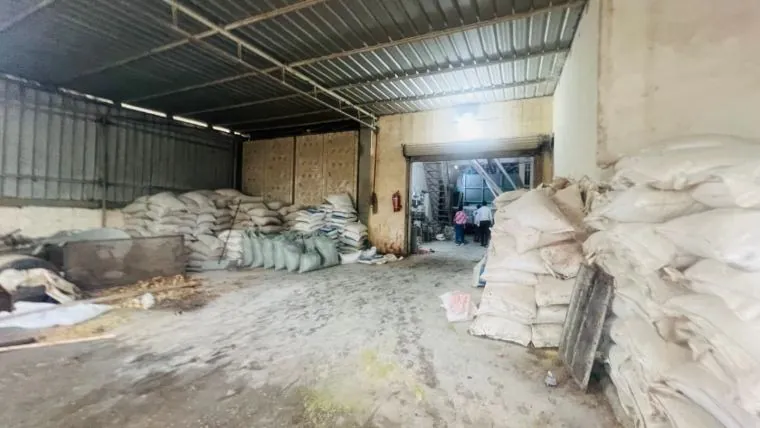
Mandir began as a dal mill in Nokha in 1990, then added an oil press. For decades our business was raw material — moth dal, gram flour and pressed oil going out by the truckload to some of the largest namkeen names in India. Their bhujia has been made from our dal for years.
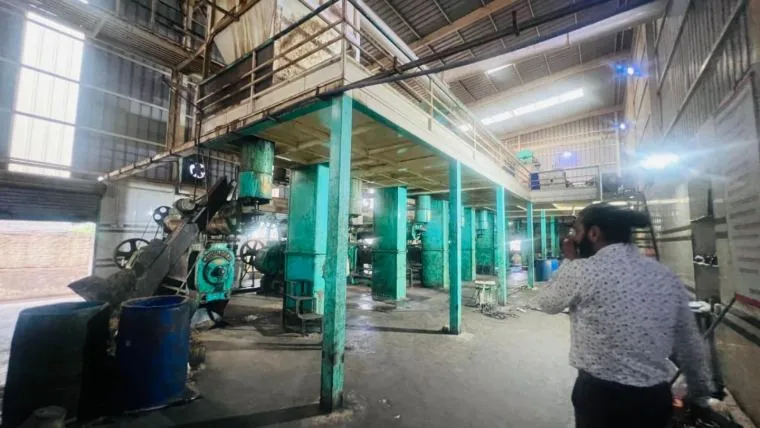
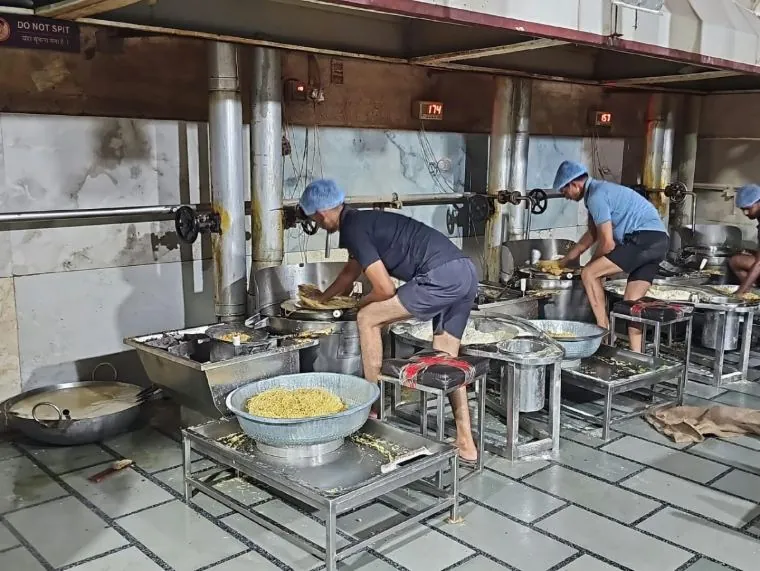
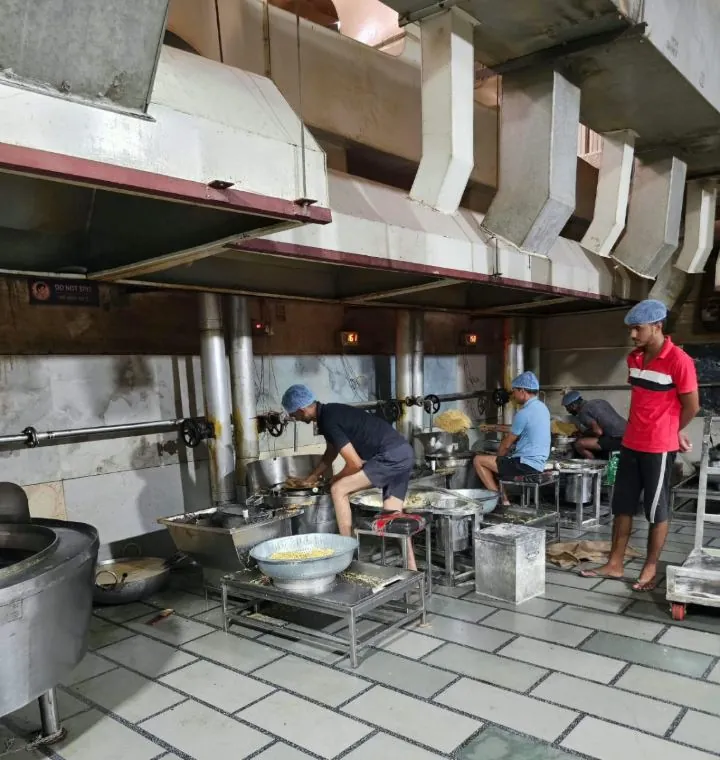
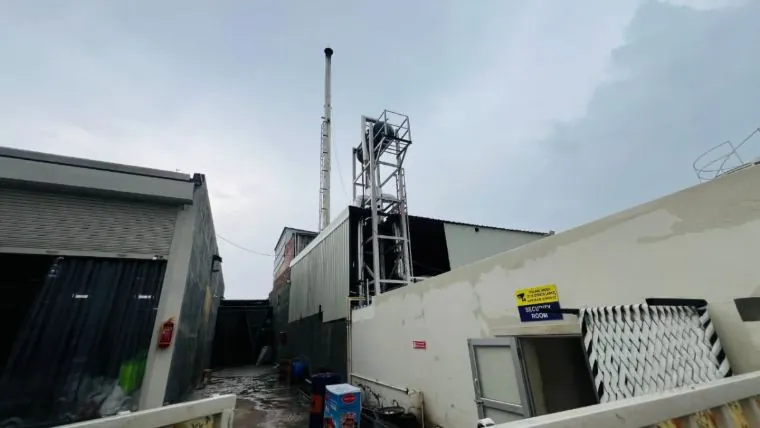
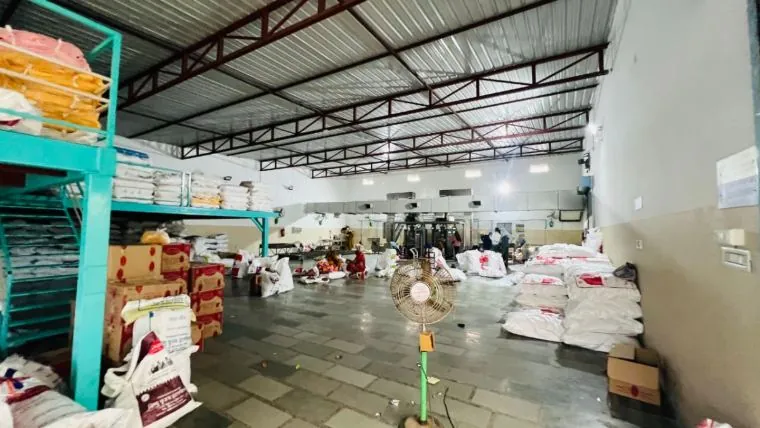
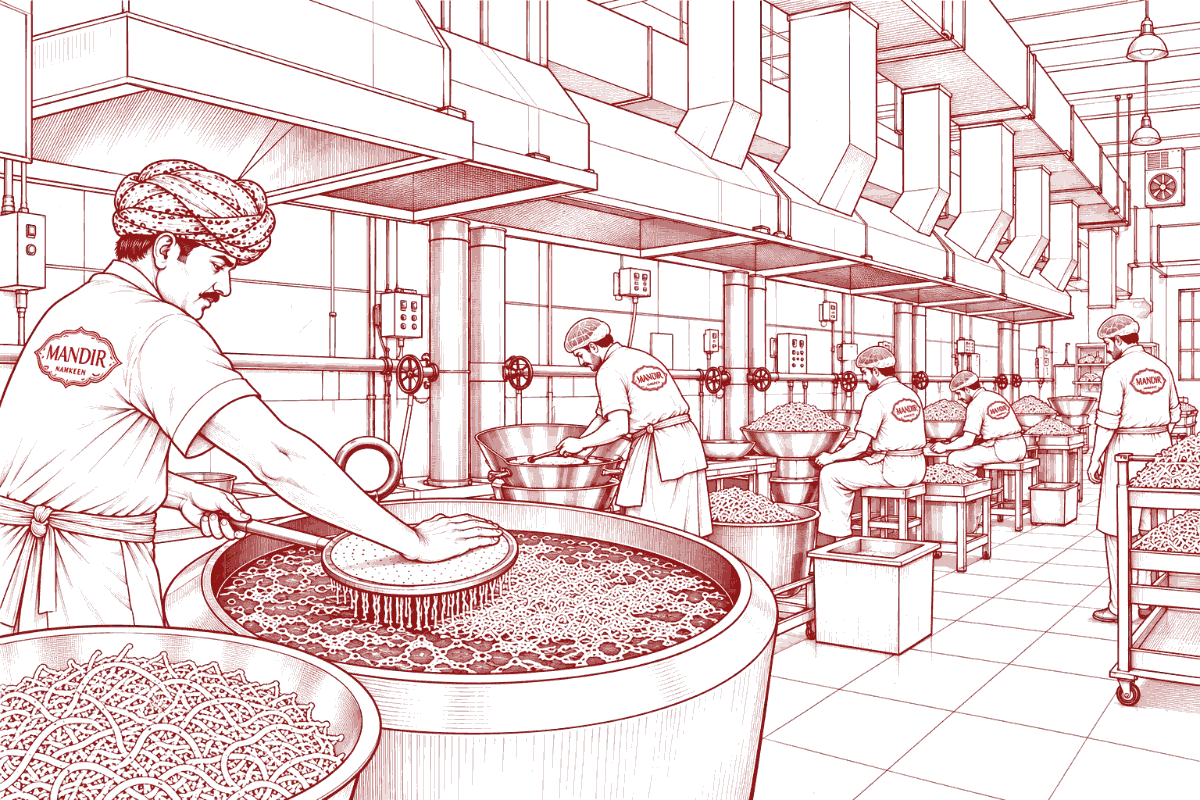
Now we make the namkeen ourselves. The mill, the oil press and the kitchen are all ours, all on one site, which is why our claims are facts rather than promises: nothing is shaped by machine, no palm oil comes through the gate, and every packet is authentically Bikaneri because it has never left Bikaner.
 0
the dal mill opens
 0
products, all shaped by hand
 0
drops of palm oil, ever
Bestsellers
Bikaneri Bhujia
From a dal mill in Nokha to homes across Rajasthan, our bhujia carries a chain we own end to end — our grain, our oil, our hands.
 MORE
THAN A SNACK
A PIECE OF
BIKANER
It began with grain. The family opened a dal mill in Nokha and started milling moth dal — the one ingredient every Bikaneri bhujia stands on.
An oil mill followed. Pressing our own oil meant we knew exactly what the bhujia was fried in, and palm oil never entered the gate.
Moth dal, gram flour and pressed oil went out by the truckload to some of the largest namkeen names in India. Their bhujia was made from our grain.
The same dal, the same oil, now shaped by hand in our own kitchen and sold as Mandir. Fourteen grams to a full kilo.
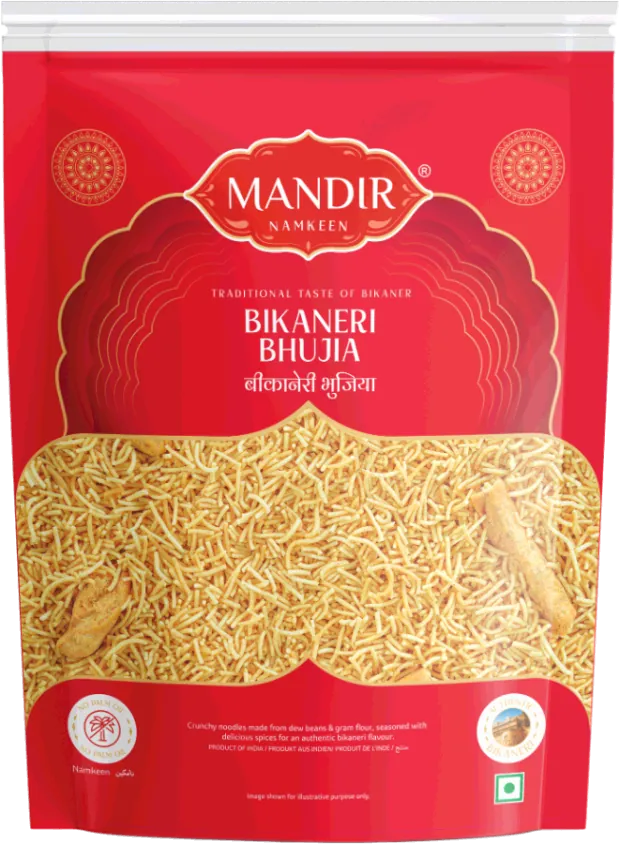
 Traditional taste of Bikaner
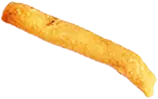





The Khokha King range
Khokha is the cut we are known for. Thick, jagged sticks pressed and broken by hand, fried in oil from our own press — never palm — and sold in eight flavours at ten rupees a pack.

 EIGHT FLAVOURS
The namkeen range
Bhujia, khokha, mixtures, moong dal and peanuts — milled, fried and packed on one site in Nokha.
{{ p.body }}
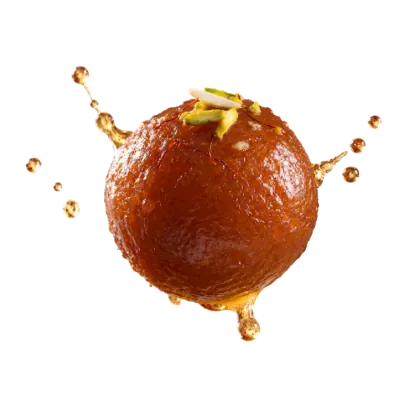
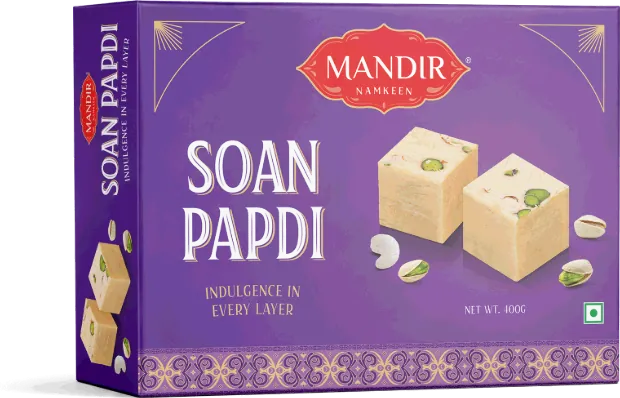
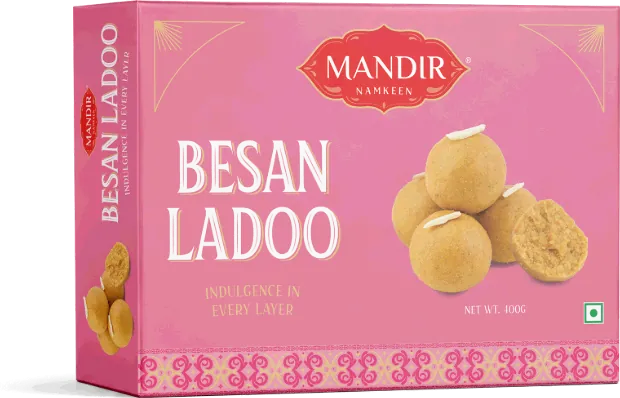
Sweets
from the kitchen
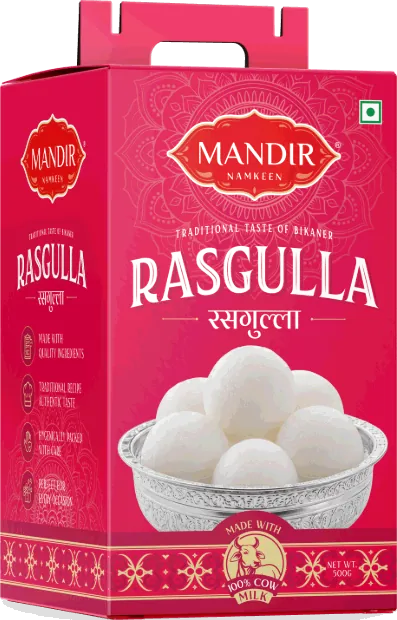
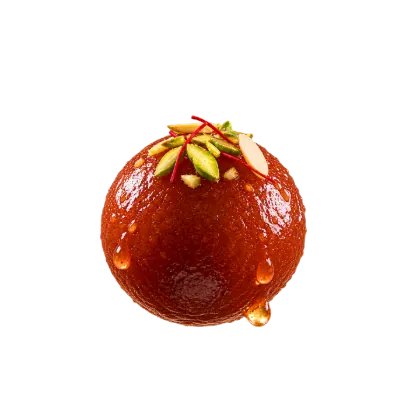
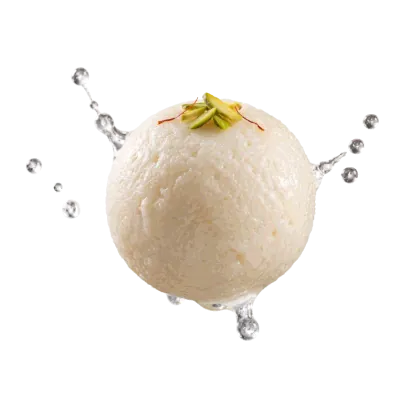
Chenna from cow milk, ghee pressed from our own cream, and syrup taken slow. Gulab jamun soaked overnight, rasgulla boxed in its own chashni, soan papdi spun into a hundred ghee-thin layers.
Shop Sweets

Become a Mandir distributor
Bring authentic Bikaneri namkeen to your shelves. We mill the dal, press the oil and pack the product, so supply stays steady and the margin stays yours.
 STRAIGHT FROM OUR MILL
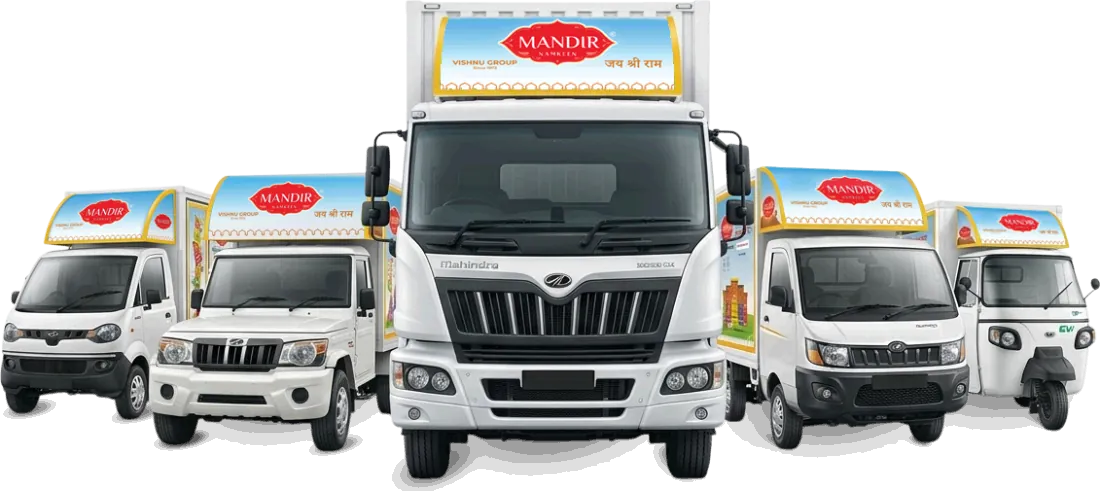
OUR OWN DELIVERY FLEET
NAMKEEN PAPAD SNACKS SWEETS

Follow along